

Experience and Expertise
- Years in Business: Look for companies with a proven track record of experience in both residential and commercial landscaping projects.
- Portfolio Review: Ask to see examples of their previous work to evaluate their quality, style, and versatility.
- Certifications and Training: Check if the company employs certified professionals or landscape architects with specialized training.
Range of Services Offered
Ensure that the company offers a comprehensive range of services that align with your landscaping goals, including:
– Hardscaping (patios, walkways, retaining walls)
– Soft scaping (planting trees, shrubs, flowers)
– Irrigation system installation or repair
– Outdoor lighting solutions
– Ongoing maintenance packages
Customer Reviews and References
Reputation matters. Take time to research reviews on platforms like Google, Yelp, or Angie’s List. Additionally:
– Request references from recent clients to understand their satisfaction level.
– Look for consistent feedback about professionalism, timeliness, communication skills, and quality of work.
Licensing and Insurance
Verify that the landscaping company is properly licensed and insured:
| Type | Importance |
|———————–|————————————————————————-|
| Business License | Ensures they comply with local regulations |
| Liability Insurance | Protects you against any damage caused during their work |
| Workers’ Compensation | Covers employees in case of onsite injuries |
Understanding Their Design Process
A reliable landscaping company should be willing to collaborate on designs that match your personal style while considering functionality.
During consultations:
1. Discuss your vision and specific needs.
2. Ask if they provide 3D renderings or conceptual drawings before starting the project.
3. Confirm whether they can tailor designs within budget constraints.
Communication and Professionalism
Good communication ensures a smooth process from start to finish.
Pay attention to how they respond during initial inquiries or consultations:
– Are they responsive?
– Do they ask detailed questions about your preferences?
– Do they provide clear timelines?
Budget Transparency
Before signing any contracts:
– Request a detailed breakdown of costs for labor, materials, permits (if needed), etc.
– Ask about potential hidden charges or additional fees.
By carefully evaluating these factors when hiring a landscaping company for your home project, you’ll set yourself up for success while ensuring an outdoor space you can enjoy for years to come.
How to Choose a Trustworthy Landscaping Company Boston Homeowners Recommend
When it comes to selecting the right landscaping company for your property, trust and credibility play a pivotal role. Homeowners invest significant time, effort, and resources into their outdoor spaces, so working with a reliable landscaping contractor is essential. One of the most effective ways to evaluate a company’s reliability is by assessing their customer references and overall reputation within the industry.
Why Trust Matters in Landscaping Services
- Access to Your Property: Landscaping professionals work directly on your property, often unsupervised. Trust ensures that you feel comfortable letting them handle your outdoor space responsibly.
- Quality Assurance: A trustworthy contractor is more likely to deliver projects on time, adhere to quality standards, and stand by their work through warranties or maintenance services.
- Transparency: Reliable companies maintain open communication about pricing, project timelines, challenges, and expectations.
Evaluating Customer References
- Request at least three references from recent projects.
- Focus on clients whose landscaping needs are similar to your own (e.g., residential vs commercial).
- Use platforms such as Google Reviews, Yelp, or the Better Business Bureau (BBB). Look for patterns in feedback rather than isolated comments.
- Prioritize detailed reviews that describe customer experiences in depth.
- Ask questions such as:
- Were deadlines met?
- Did the team address unexpected challenges effectively?
- Was communication clear throughout the project?
Red Flags to Watch Out For
| Red Flag | What It Might Indicate |
| Lack of references | Inexperience or poor past client relationships |
| Unclear pricing structure | Hidden costs or lack of transparency |
| Overpromising unrealistic results | Misleading claims |
| Poor communication | Potential delays or misunderstandings |
Building Long-Term Partnerships
Trustworthy companies aim to build enduring relationships with their clients by providing consistent value over time. Look for companies that offer follow-up services such as seasonal maintenance plans or ongoing consultations.
By prioritizing trust and thoroughly vetting customer references during your selection process, you can minimize risks and ensure that your outdoor vision becomes a reality under skilled hands.
Expert Hardscaping Boston Services for Residential and Commercial Properties
When hiring a landscaping company, finding one that offers specialized services tailored to your unique needs—whether residential or commercial—is essential. A reputable landscaping company should not only have expertise in a wide range of services but also the ability to customize their approach based on the specific requirements of each project. Below, we explore key aspects of specialized landscaping services and how these offerings can cater to diverse needs.
Expert Residential Landscaping Services Boston MA
- Customized layouts for flower beds, shrubs, and greenery
- Integration of native plants for sustainable gardens
- Seasonal planting strategies to ensure year-round beauty
- Lawn mowing, fertilization, aeration, and weed control
- Irrigation system design for efficient water usage
- Pest management solutions tailored to local conditions
- Creating patios, decks, fire pits, or outdoor kitchens
- Incorporating seating areas for relaxation or entertaining guests
- Use of lighting systems to enhance evening ambiance
Commercial Landscaping Services
- Creating visually appealing entrances with hardscapes and plant arrangements
- Developing low-maintenance landscapes for cost efficiency
- Integration of green spaces that promote employee well-being
- Parking lot islands with greenery for added aesthetics
- Walkways, retaining walls, and water features for customer areas
- Durable materials designed for high traffic use
- Sustainable Practices
Many commercial properties now seek environmentally friendly options:- Use of drought-resistant plants in xeriscaping designs
- Rainwater harvesting systems integrated into irrigation plans
- Minimizing energy consumption with efficient LED landscape lighting
How Specialized Services Benefit Clients
- Tailored Approach: Your unique needs become the focal point of the design process rather than relying on generic templates.
- Expertise in Diverse Projects: Companies with experience across various service types can provide practical recommendations aligned with your property type.
- Efficient Resource Management: Strategies like water-efficient irrigation and native plant selection save money over time without sacrificing quality.
- Enhanced Property Value: A professionally designed landscape improves aesthetics while increasing property market value.
| Service Types | Benefits |
| Residential | Custom gardens, outdoor living spaces |
| Commercial | Enhanced professional appearance; sustainable green practices |
| Hardscaping | Walkways; durable outdoor structures |
| Sustainable Options | Cost savings through water/energy-efficient designs |
Selecting a contractor who offers both residential and commercial expertise ensures flexibility regardless of your requirements. Whether designing intricate home gardens or managing large-scale corporate campuses, specialized landscapers bring technical knowledge paired with creativity—delivering results that enhance any outdoor environment seamlessly.
Tailoring Designs and Individualizing Landscapes for Every Homeowner’s Vision
When it comes to landscaping, every homeowner has unique preferences, goals, and visions for their outdoor space. A professional landscaping company should have the expertise to tailor designs and create individualized solutions that reflect the homeowner’s style while maintaining functionality. Here’s how landscaping companies approach customization to ensure each project feels personal and distinctive.
Understanding Homeowner Preferences
- Conducting Initial Consultations: Discussing the client’s vision, preferred styles (modern, rustic, traditional), and functional goals for the space (e.g., relaxation area, garden beds, entertainment zones).
- Surveying the Property: An in-depth analysis of the property’s layout, soil condition, sunlight exposure, and existing vegetation helps identify opportunities and constraints.
- Incorporating Lifestyle Needs: Designers consider how homeowners intend to use their outdoor spaces—whether it’s for hosting gatherings or creating a serene escape for personal use.
Custom Design Elements
- Customized patios made of materials like natural stone or stamped concrete.
- Pathways that complement architectural styles using brick or gravel finishes.
- Retaining walls designed as both functional structures and aesthetic focal points.
- Using native plants to align with local climate conditions while adding a personal touch through seasonal blooms or exotic species.
- Incorporating edible gardens tailored to clients interested in sustainable gardening practices.
- Waterfalls or fountains customized by size or material to fit space constraints.
- Energy-efficient LED lighting installations that highlight walkways or outdoor seating areas during evenings.
Collaboration with Homeowners
| Phase | Key Interaction Points |
| Initial Consultation | Define vision; discuss budget constraints; explore potential design inspirations |
| Design Presentation | Review blueprints/renderings; suggest modifications to align with evolving preferences |
| Final Walkthrough | Evaluate completed work; ensure all features meet agreed-upon specifications |
Balancing Aesthetic Appeal with Functionality
An individualized landscape must not only be visually striking but also practical for day-to-day living. Landscaping professionals incorporate elements such as drought-resistant plants for easy maintenance or multi-functional outdoor furniture that ensures usability without sacrificing aesthetics.
Continuous Innovation in Customization
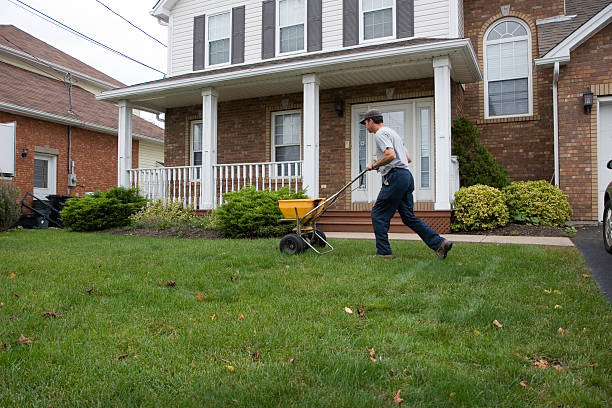
Landscaping companies also stay updated on modern technology like 3D modeling software to showcase realistic previews of tailor-made designs before implementation begins—helping homeowners visualize their dream landscapes better than ever before.
By focusing on individuality while staying rooted in professional expertise, landscaping companies ensure each homeowner gets a unique outdoor space that perfectly aligns with their vision and lifestyle needs—making every completed project truly one-of-a-kind.
Budget Transparency and Pricing Factors When Partnering with Boston MA Landscapers
Factors That Influence Landscaping Costs
- Scope of the Project: Larger projects or multi-phase designs will typically require more materials, labor, and time, increasing overall costs.
- Type of Materials Used: Premium materials (e.g., natural stone or exotic plants) tend to be more expensive than standard options such as concrete or common shrubs.
- Design Complexity: Customized designs involving intricate layouts or unique features (like water fountains or outdoor kitchens) often result in higher costs due to specialized labor requirements.
- Site Preparation Needs: If your property requires significant prep work—grading, removing old landscaping elements, or resolving drainage issues—this will add to the overall project cost.
- Seasonality: Landscaping services might cost more during peak seasons due to higher demand.
The Importance of Budget Transparency
A reliable landscaping company should provide clear details about their pricing structure and expected costs before starting the project. Transparent communication minimizes misunderstandings and helps build confidence in their services.
Ask for an itemized estimate that includes:
1. Material Costs
2. Labor Charges
3. Equipment Rental Fees (if applicable)
4. Permits or Additional Fees
5. Contingency Funds for Unexpected Changes
This level of detail allows you to understand where your money is going and enables you to prioritize certain elements if necessary.
Tips for Managing Your Landscaping Budget
- Start Small: If you’re working with a tight budget, begin with one area of your yard instead of tackling everything at once.
- Focus on High-Impact Features: Choose features that enhance both aesthetics and functionality—such as well-designed walkways or low-maintenance greenery.
- Use native plants suited for your region—they generally require less maintenance and irrigation.
- Opt for pre-designed templates offered by some companies if customization isn’t necessary.
- Incorporate recycled materials like reclaimed wood or bricks into hardscaping projects.
Sample Cost Comparison Table
| Feature/Service | Average Price Range | Notes |
| Basic Lawn Maintenance | $50 – $200 per visit | Depends on property size |
| Full Landscape Design Services | $2,000 – $8,000+ | Includes planning & design consultation |
| Hardscape Installation | $15 – $35 per square foot | Varies with material selection |
| Irrigation System Installation | $1,500 – $5,000+ | Based on yard size & system complexity |
Questions to Ask Your Landscaper About Pricing
- Are there hidden fees not included in the initial quote?
- Can we make adjustments during the process without significant penalties?
- What are the payment terms? Is financing available?
- How do you handle changes in material prices during long-term projects?
By prioritizing transparency around pricing and budgeting concerns from the beginning, homeowners can create beautiful outdoor spaces without financial surprises along the way while fostering trust with their chosen landscaping partner.
Budget Transparency and Pricing Factors When Partnering with a Landscaping Company
When considering the services of a landscaping company, understanding their pricing structure and ensuring budget transparency is critical. A clear cost breakdown not only prevents unexpected surprises but also helps you make an informed decision. Below are key factors and considerations when evaluating the financial aspects of working with a landscaping professional.
Why Budget Transparency Matters
A lack of clarity in pricing can often lead to misunderstandings or disputes during a project. Transparent communication about costs ensures:
– Trust: When a company provides detailed, upfront pricing, it showcases their honesty and professionalism.
– Planning: Understanding the overall investment lets homeowners allocate resources effectively without overspending.
– Customization: Knowing where money is being spent allows adjustments to be made—whether scaling back or upgrading certain elements.
Common Pricing Factors in Landscaping Projects
| Factor | Explanation |
| Project Size | Larger spaces require more materials and labor, increasing overall costs. |
| Complexity of Design | Intricate designs or unique features take more time and expertise to execute. |
| Material Selection | High-quality or custom materials (e.g., natural stone) may significantly raise expenses. |
| Seasonality | Costs may fluctuate based on demand during peak landscaping seasons (spring/summer). |
| Permits & Regulations | Some projects may require permits, which add an extra expense to the budget. |
Discussing these factors with your contractor will help ensure all components are accounted for in the initial quote.
Tips for Ensuring Financial Clarity
- Request Detailed Estimates
Always ask for itemized quotes that break down labor, materials, equipment usage, and additional fees (if applicable). This allows you to identify areas where costs can be adjusted without compromising quality. - Discuss Payment Schedules
Establish a payment structure early on—whether it’s milestone-based payments or an upfront deposit followed by installments. - Inquire About Unexpected Costs
Ask potential landscapers how they handle unforeseen expenses during a project (e.g., issues with soil quality or drainage). - Compare Multiple Bids
Obtain quotes from at least three companies to get an industry-wide perspective on pricing while ensuring you’re not overpaying. - Be Aware of Long-Term Costs
Consider maintenance expenses after project completion—such as irrigation systems or plant care—to avoid underestimating future investments.
Red Flags to Watch Out For
While many reputable companies maintain transparency, there are warning signs homeowners should avoid:
– Vague quotes lacking detail about specific work included in the price estimate.
– Pressure tactics urging you to commit without fully reviewing terms.
– Unexpected add-ons after work begins without prior discussion or approval.
By being proactive about these financial considerations, homeowners can partner confidently with landscaping professionals who align with their vision—and their budget.
Questions to Ask Before Hiring a Professional Landscaping Contractor
When hiring a professional landscaping contractor, it’s important to ask the right questions to ensure you’re partnering with someone who can bring your vision to life while meeting your expectations. Below are some key areas to focus on when vetting potential contractors.
1. What Experience Do You Have in Landscaping?
Understanding the contractor’s experience is crucial. Ask about:
– How many years they have been in business.
– Their specialization in residential or commercial landscaping projects.
– Examples of completed projects similar to your needs.
Request a portfolio or references from previous clients as visual proof of their capabilities and expertise in the field.
2. Are You Licensed and Insured?
A reputable landscaping contractor should have proper licensing and insurance coverage. This protects you from potential liabilities during the project, such as property damage or worker injuries.
Ensure they provide:
– Licensing details relevant to your city or state.
– Proof of general liability insurance and workers’ compensation coverage.
3. What Services Do You Provide?
Not all landscaping companies offer the same services. Clarify what’s included in their offerings, such as:
– Hardscaping (patios, walkways, retaining walls).
– Soft scaping (planting trees, shrubs, flowers).
– Maintenance services (mowing, trimming, seasonal clean-ups).
If your project involves specialized features like outdoor kitchens or water installations, confirm if they have expertise in those areas.
4. What Is Your Design and Planning Process?
To ensure that your vision aligns with their design process, ask about:
– How they develop landscape designs based on client input.
– Whether they use digital tools like 3D renderings for previews.
– The timeline for completing the design phase before installation begins.
Good contractors will involve you at every step of the design process and make revisions based on your feedback.
5. Can You Provide an Itemized Quote?
| Service | Estimated Cost | Notes |
| Design Consultation | $XXX-$XXX | May be complimentary initially |
| Materials (plants, stones) | $XXX | Includes specified materials |
| Labor | $XXX | Hourly rates or flat fees |
| Additional Features (lighting) | $XXX-$XXX | Optional add-ons |
This will help you compare bids from multiple contractors and select one that fits your budget.
6. What Is Your Project Timeline?
A clear timeline ensures there’s accountability throughout the project’s lifecycle.
Ask about:
– Estimated start and end dates for the project.
– Milestones within each phase (e.g., demolition, planting).
– Contingency plans for potential delays like adverse weather conditions.
7. Do You Offer Warranties or Guarantees?
It’s important to understand what warranties are available for both workmanship and materials used in your project:
– Warranty on plants (e.g., replacing dead plants within a specific period).
– Guarantees on hardscape installations like patios if damage occurs due to poor workmanship.
Having these assurances gives peace of mind that quality standards will be met long after project completion.
Final Considerations
By asking these critical questions upfront, you can identify trustworthy professionals who align with both your aesthetic goals and functional requirements while staying within budget timelines effectively ensuring success for transformative outdoor spaces.
Questions to Ask Before Hiring a Professional Landscaping Contractor
When choosing the right landscaping contractor for your project, it’s crucial to ask the right questions. Doing so helps you gauge their expertise, professionalism, and ability to meet your expectations. Below are key questions to consider before making your decision.
1. What Services Do You Offer?
Understanding the scope of services offered by a landscaping company ensures they align with your project needs. Ask whether they provide:
– Design and installation services
– Maintenance plans (e.g., mowing, pruning, weed control)
– Customized water features or outdoor lighting setups
– Hardscaping (patios, walkways)
This will determine if they can handle all aspects of your landscaping vision or if you’ll need additional contractors.
2. Are You Licensed and Insured?
It is essential to work with a licensed and insured contractor to protect yourself from liability in case of accidents or property damage.
Some follow-up questions could include:
– Can I see proof of insurance?
– Are your employees covered under workers’ compensation?
This ensures both legal compliance and peace of mind throughout the project.
3. Can You Provide References or a Portfolio of Past Work?
Requesting client references or a portfolio demonstrates the contractor’s experience and reliability. Look for examples similar to your desired project scope or style preferences.
Additionally:
– Check online reviews on platforms like Google or Yelp for unbiased feedback.
– Ask for photos of completed projects in similar climates or neighborhoods.
4. What Is Your Experience With Projects Like Mine?
Every property is unique, so it’s important to ensure that the landscaper has specific experience relevant to yours.
For instance:
– Do you specialize in residential or commercial landscaping?
– Have you worked with properties that require drought-resistant plants, steep terrain designs, etc.?
Matching their experience with your specific needs increases the likelihood of a successful outcome.
5. How Do You Handle Budget and Cost Transparency?
Discussing budgets upfront is critical for avoiding unexpected expenses later on. Important details include:
| Question | Why It Matters |
|——————————|——————————————|
| Do you provide detailed estimates? | Helps identify all costs beforehand |
| Are materials and labor costs itemized?| Ensures full transparency |
| What additional fees might arise?| Prevents surprises mid-project |
Clear cost communication shows professionalism and builds trust between clients and contractors.
6. What Is Your Approach To Timelines And Deadlines?
Ask about their timeline management strategies so you can plan accordingly.
Some key points include:
– Estimated start and completion dates for the project
– How delays due to weather or unforeseen issues will be managed
This assures that your expectations align with their scheduling capabilities.
7. Will You Provide Ongoing Maintenance Services Post-project?
A well-maintained landscape enhances long-term curb appeal and functionality.
If maintenance is required post-installation, determine whether they provide services such as:
– Seasonal cleanups
– Fertilization programs
– Irrigation checks
Ask whether these services are included in an ongoing contract or available as needed.
By asking these essential questions before hiring a professional landscaping contractor, you can make an informed decision that ensures a smooth process from design through execution while meeting both aesthetic goals and practical needs efficiently.
- Expert Tips for Transforming Your Outdoor Space with Landscape Lighting
- 5 Creative Landscape Lighting Ideas from Top Boston MA Landscapers to Transform Your Backyard
- Key Factors to Consider When Choosing a Landscaping Boston MA Company for Your Home
- How to Choose the Perfect Contractor for Landscaping Boston MA Outdoor Spaces
- Top Services and Benefits of Landscaping in Boston MA
- Transform Your Outdoor Space with Expert Landscaping Boston MA Tips
- 8 Compelling Reasons to Hire a Professional for Landscaping Boston MA
- Comprehensive Tips from a Leading Landscaping Company Boston for Transforming Outdoor Spaces